
Basic Neuroscience Behind Tholáge®

Tholáge® helps generate the neurochemicals involved in accessing emotions, feelings of empowerment and safety, and for memory reconsolidation–changing the associations of traumatic memory–for immediate symptom reduction and, over time, long-term change.

Basic Neuroscience Behind Tholáge®

Tholáge® helps generate the neurochemicals involved in accessing emotions, feelings of empowerment and safety, and for memory reconsolidation–changing the associations of traumatic memory–for immediate symptom reduction and, over time, long-term change.

Tholáge® is made up of 2 main protocols, each including specific exercises.

These exercises are simple body-based actions, things your body does naturally, that you can use—along with specific mentalization exercises—to naturally generate neurochemicals that do different things.

While the role and interactions of neurochemicals is far more complex, and even “redundant,” than we can describe here, some truths exist about the Tholáge® exercises and the neurochemicals they access.

The exercises of Tholáge® let you:
  • access suppressed emotions and memories

  • regulate difficult emotions

  • reduce attachment anxiety

  • create feelings of safety and empowerment

  • reduce the stress hormone cortisol

  • reduce symptoms of numerous mental disorders

  • create new neural pathways over time

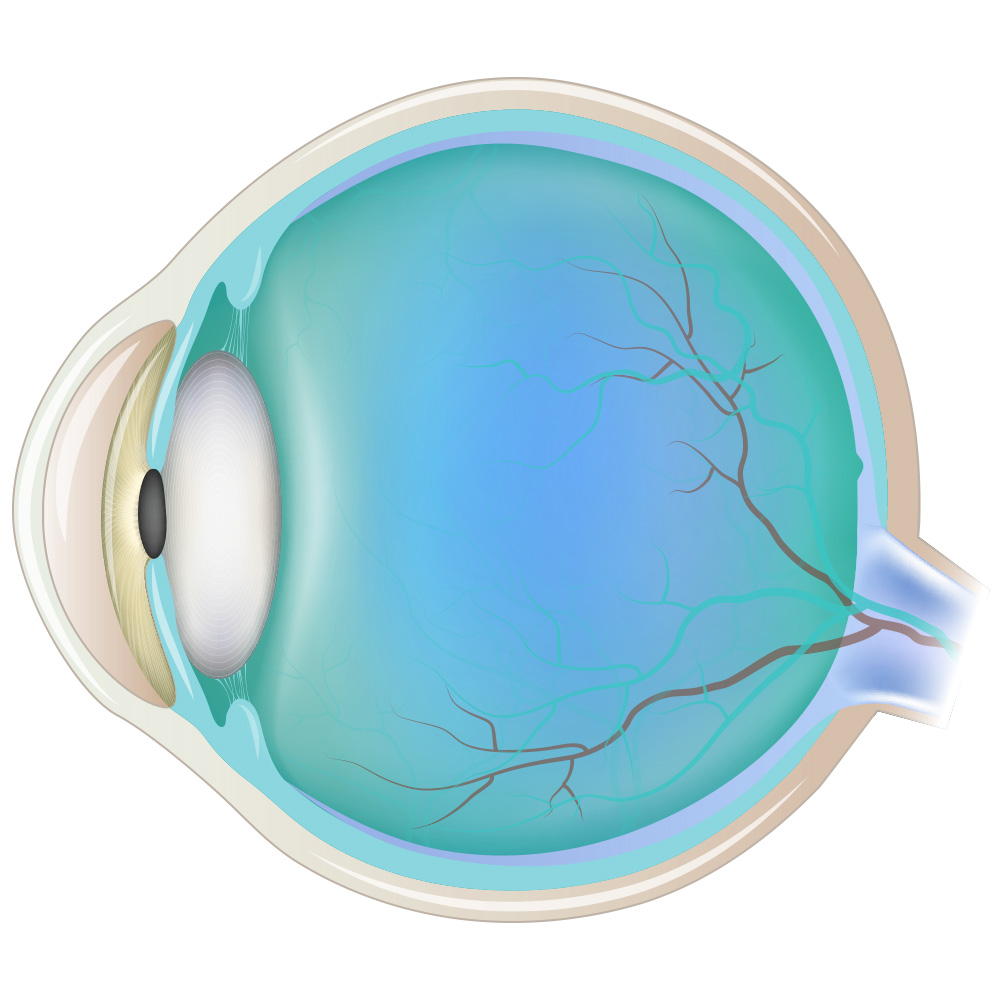
Diagram of eye for Tholáge® Neuropsychotherapy eye movements

And all of this equals further empowerment for you because you can use these exercises at home (with your therapist’s approval). Also, as you do them, over time, you build and strengthen new neural pathways, which allows you to manage your emotions more organically, in the moment.

Examples of Tholáge® Exercises

One example of a Tholáge® exercise includes a specific eye movement, held in place for a set amount of time. This eye movement has been shown to activate a part of your brain called the locus coeruleus. Once activated in this way, the locus coeruleus douses almost the entire brain and the spinal cord in norepinephrine, which is adrenaline for your brain.

This is important because norepinephrine activates a part of the amygdala called the emotional memory center. This exercise of Tholáge® has been shown to help patients get in touch with the strong emotions associated with big, important events, and it helps them generate feelings of empowerment.

It’s important to know, the retinas of the eyes are made of neural tissue–that is, brain tissue. They have a direct connection to countless structures in the brain and are actually part of the central nervous system. That is why the eyes can be used to cause certain reactions in the brain.

But Tholáge® is different from EMDR, because the eye movements of EMDR suppress part of the amygdala, rather than activating it. That suppression has an important purpose, but it is a different purpose than this part of Tholáge®. (We create calming in a very different way in Tholáge®.) Though it is much newer, the activation involved in Tholáge® has been described in the research literature as something that should be used for the treatment of numerous mental disorders.

Completely Novel Exercises–and the Neurochemicals That Go with Them

Tholáge® also includes completely novel somatic exercises, shown to access different neurochemicals than the one described above, with completely different purposes. These neurochemicals are associated with feelings of well being, safety, connection, focus, motivation, even love.

In fact, one of these neurochemicals in particular has been cited in the literature as being the main one to focus on for the treatment of trauma, as it plays an important role in memory processing and storage, and also helps create new neural pathways.

Your Tholáge® therapist will guide you through these exercises, along with specific mentalizations, to help you achieve a deeper sense of peace—one you can give yourself—in order to achieve more permanent changes and healing.